Amenity Stack Planning
A cost-driver guide to the vacation rental amenity setup — how themed rooms, game rooms, theaters, and outdoor zones compound to drive nightly rates, and how to sequence them within the furnishing budget.
Sound familiar?
Owners often view amenities as isolated line items — a game room here, a themed bunk there — rather than as a compounding stack that defines the property’s guest-audience positioning. Budgeting amenities in isolation leads to unbalanced properties (e.g., a flagship simulator room paired with a bare-minimum pool deck) that fail to capture the nightly rate their total spend should command.
In short
- The amenity setup defines the property’s guest-audience positioning and is the primary lever for moving up-tier.
- Amenities compound visually in the listing listing photos; a balanced stack sustains booking momentum better than a single flagship room.
- The core four amenity categories are Themed, Game, Theater, and Outdoor. Budget allocation should balance across them appropriately for the market.
- Amenity execution must match the package level of the baseline furniture to avoid a jarring guest experience.
- Phased installs are a strategic option for sequencing amenity investments without delaying the initial launch.
This is a cost-driver guide to the vacation rental amenity setup. The main cost pillar covers cost-by-bedroom-count; this post covers how the amenity layer sits on top of that baseline, how different amenities compound to drive listing performance, and how to sequence amenity investments within the broader furnishing budget. Final pricing requires a scoped proposal.
What to know
The amenity setup defines the guest type
In competitive STR markets, bedroom count gets you into the search results; the amenity setup determines where you rank and what nightly rate you command. A 6BR property with a basic furniture package competes against other basic 6BRs. A 6BR property with a custom themed bunk, a performance-tier game room, and zoned outdoor entertaining competes at full amenity package level, commanding a materially higher nightly rate and occupancy profile. The amenity setup is the primary lever for moving a property up-tier.

How amenities compound in the listing listing photos
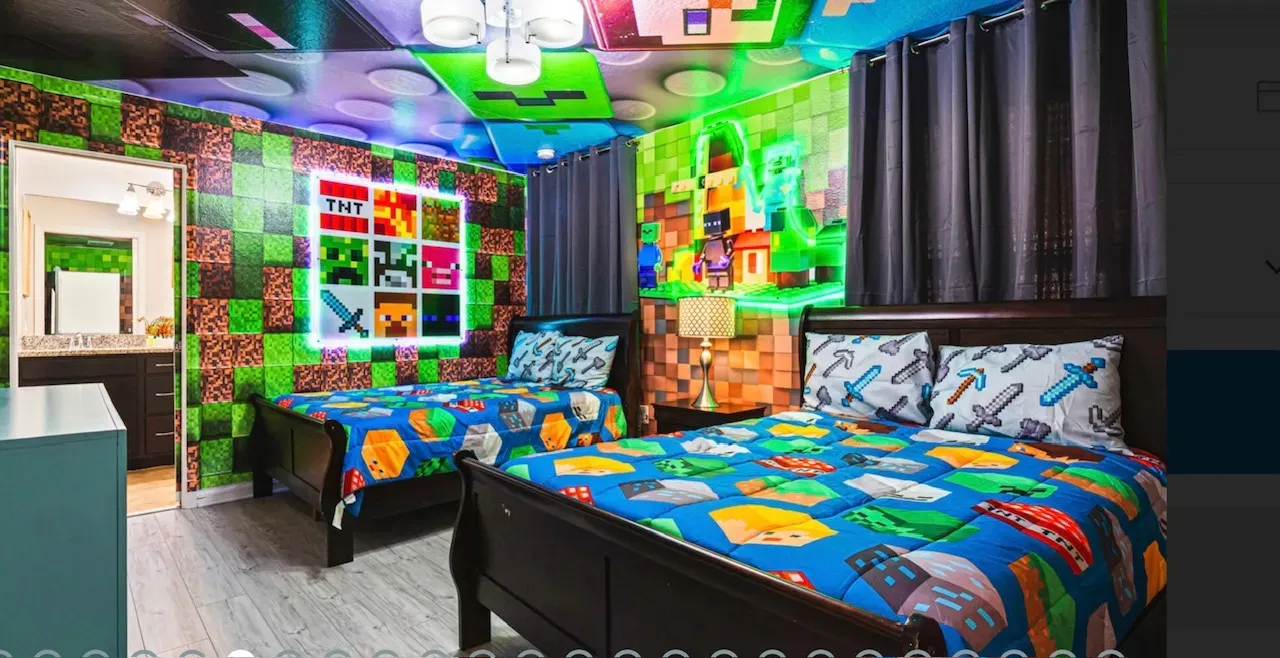
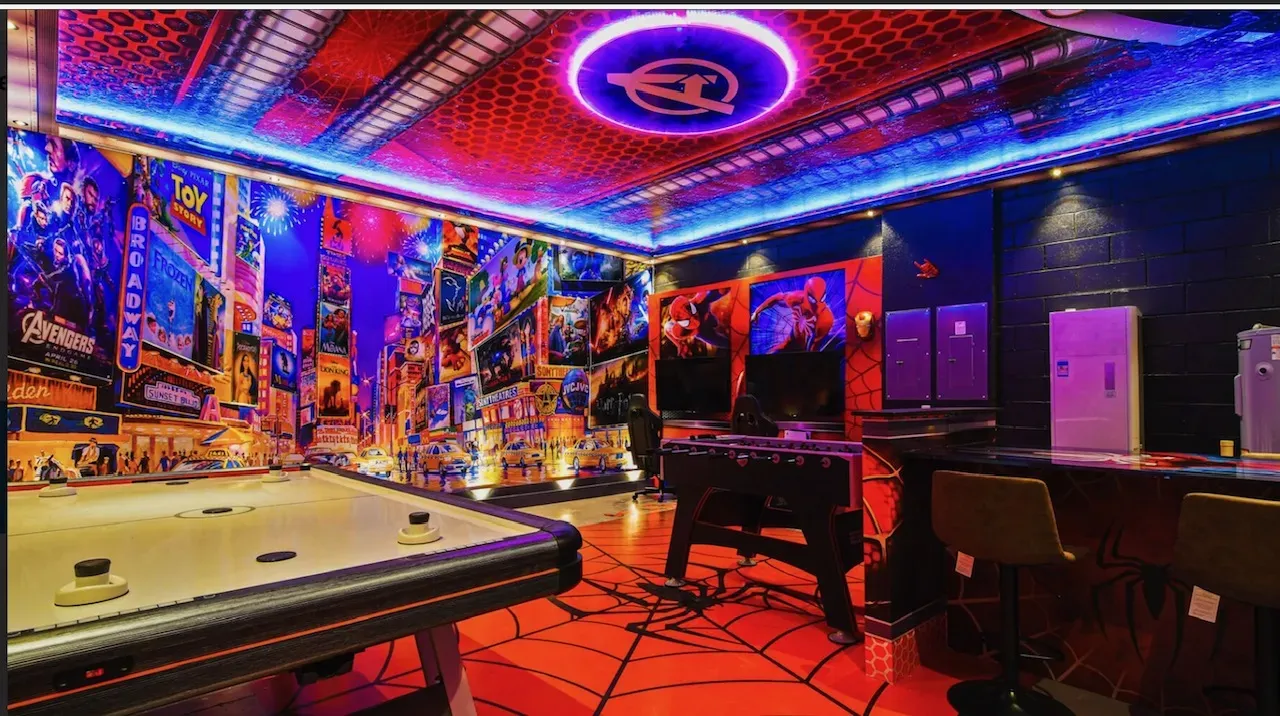
Amenities compound visually. A listing with one strong amenity photo (e.g., a great game room) followed by standard bedrooms loses momentum. A listing with a compounding stack — hero pool shot, followed by a custom themed bunk, followed by a theater-game-hybrid, followed by a luxury spa-bath — builds booking momentum with every swipe. The budget strategy should aim for a balanced stack that sustains visual interest across the first 10 photos, rather than blowing the entire amenity budget on a single room.

The core four: Themed, Game, Theater, Outdoor
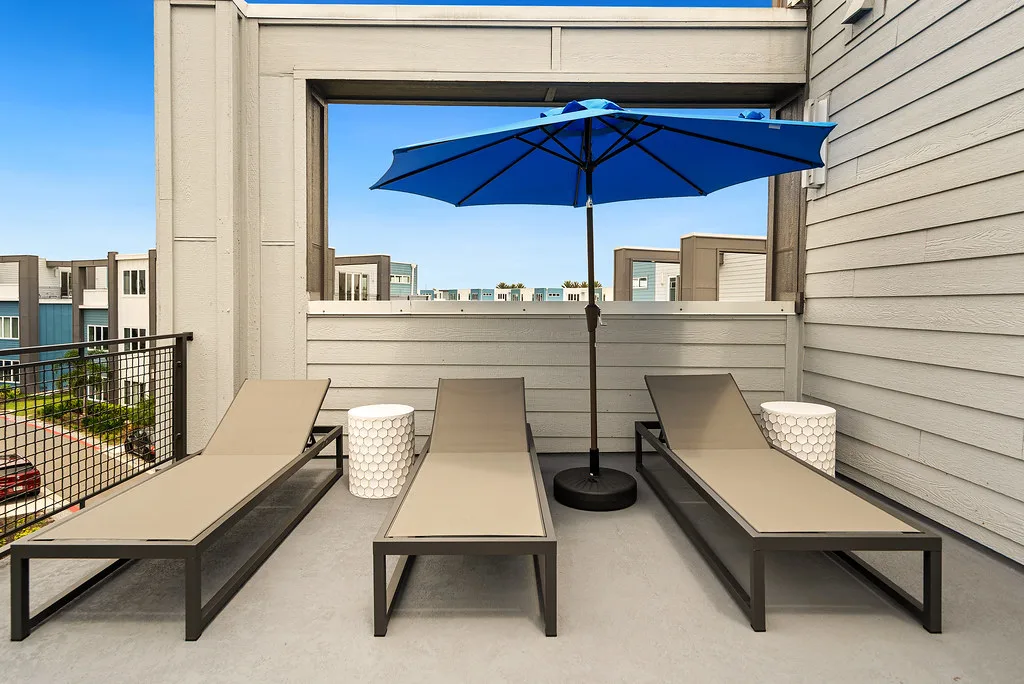
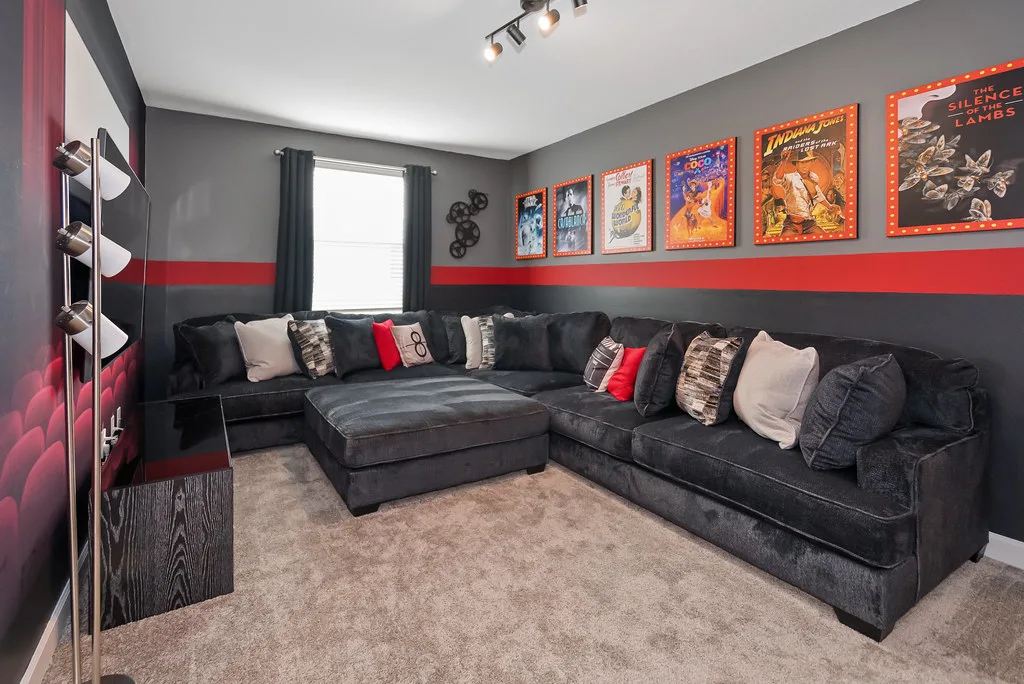
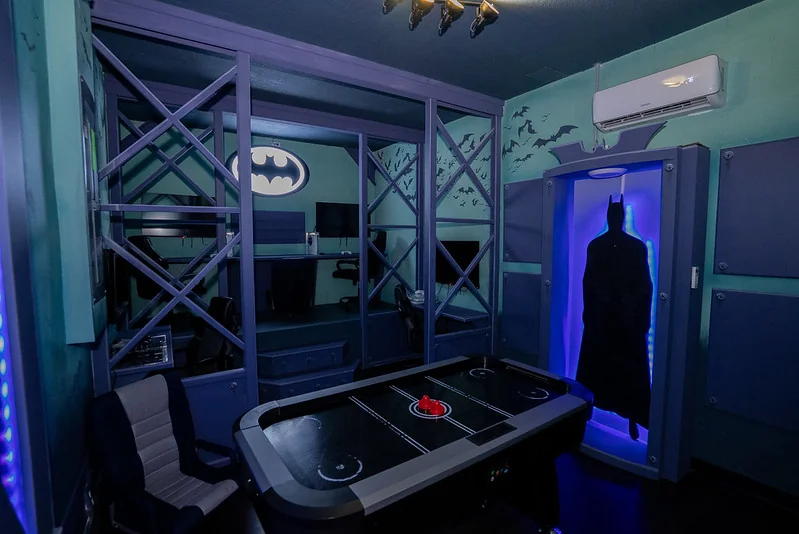
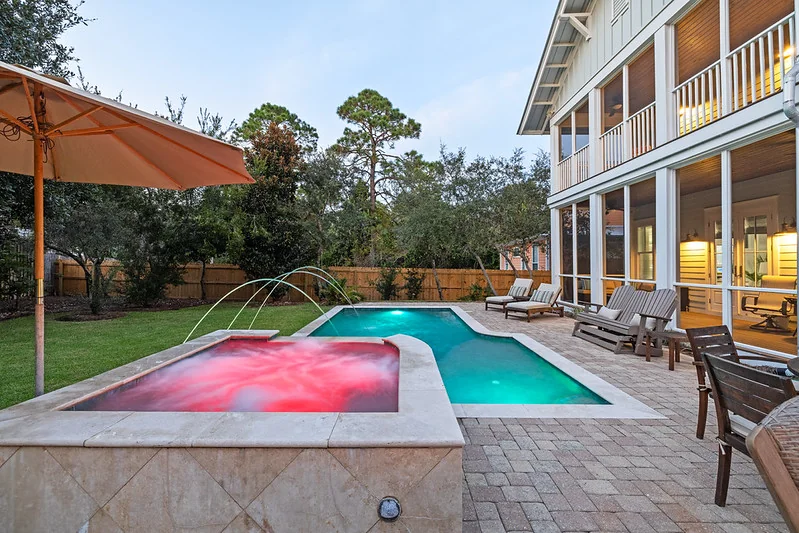
The vacation rental amenity setup typically decomposes into four categories: (1) Themed rooms (bunks, immersive bedrooms); (2) Game zones (arcades, table games, simulators); (3) Theater/Media (dedicated screening rooms, hybrid entertainment spaces); and (4) Outdoor entertaining (pool deck staging, summer kitchens, fire features). Each category has its own cost-driver structure (covered in their respective planning guides), but the planning challenge is allocating budget across the four to create a cohesive stack.

Sequencing the amenity investment
Not all amenities need to be installed at launch. A phased install strategy (Launch-Ready baseline plus core outdoor at launch, followed by custom themed bunks and flagship game room in Phase 2) allows owners to capture peak-season booking revenue while refining the amenity design based on initial guest feedback. When sequencing, prioritize the amenities that anchor the hero photos first (usually outdoor and one strong interior amenity), and phase the secondary amenities later.

Balancing the stack across package levels
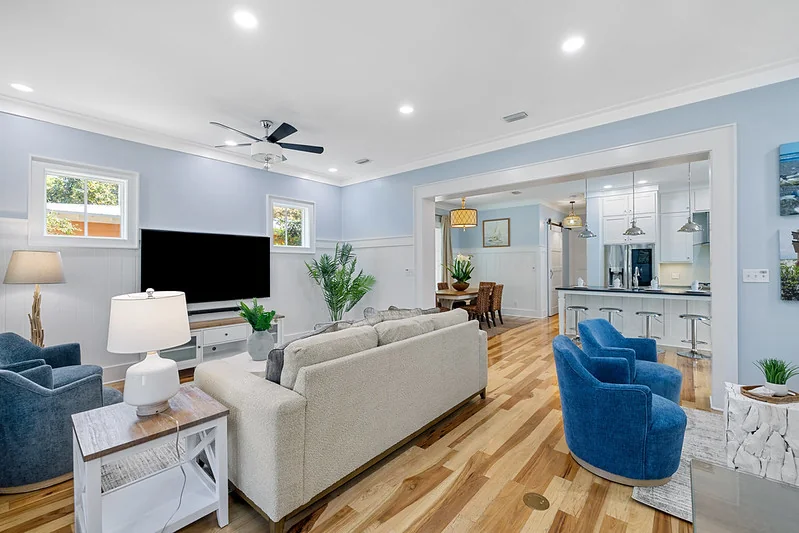
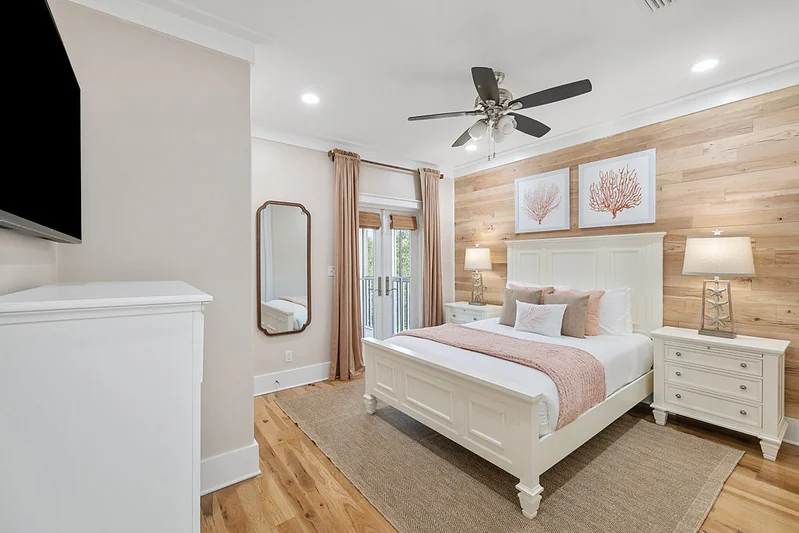
The amenity setup must align with the property’s overall package level. Putting a flagship simulator room (Mega-Rental tier) into a property with Launch-Ready commodity furniture creates a jarring guest experience and a confused listing. The amenity execution should match the finish level of the rest of the home. If the budget is constrained, it is usually better to execute a balanced full amenity package stack across the whole property than to execute one Luxury Estate room and leave the rest of the property bare. We've toured a property that sank most of its budget into a single flagship golf simulator room while the primary suite still had a big-box-store bed frame with no headboard — guests scrolling past the simulator photo were left wondering what else in the house had cut corners. A mismatched stack reads as a caution flag even when the standout room is genuinely impressive; consistency across the home builds more trust than one showpiece.
How FPUSA scopes the amenity setup
Our scoped proposals break out the amenity setup explicitly. The baseline bedroom/living scope is one section; the amenity layers (themed rooms, game conversions, theater integration, expanded outdoor) are discrete line items. This allows owners to see exactly how the amenity setup drives the total budget and make informed decisions about phasing, tier-matching, and budget allocation across the core four categories. On a typical 6-bedroom full amenity package proposal, that separation usually shows baseline furniture running roughly 55–70% of the total, with the amenity layer making up the remainder — seeing that split explicitly is what lets an owner decide, for example, to hold the baseline steady and trim the game room footprint rather than cutting corners across the whole house.
What to do first this week
Open three same-bedroom-count comps on Airbnb or VRBO and screenshot bunk photos, outdoor dining seats, and primary suite finish. List where your home falls short — that gap list becomes your furnish scope. Send your floor plan for a scoped proposal.
What we see go wrong
- Budgeting amenities in isolation rather than as a compounding stack — produces unbalanced properties with jarring quality shifts between rooms.
- Blowing the entire amenity budget on a single flagship room — creates a listing photos that loses momentum after the first three photos.
- Mismatched package levels — pairing flagship-tier amenities with Launch-Ready baseline furniture, confusing the booking audience.
- Skipping the outdoor amenity layer — Florida STRs rely heavily on outdoor hero shots; under-scoping the pool deck undermines the interior amenity investments.
- Assuming all amenities must be installed at launch — ignoring the strategic value of phased installs to capture early booking revenue.
Related Community Guides
Eight Core Services
Turnkey to Themed Rooms — All Under One Roof
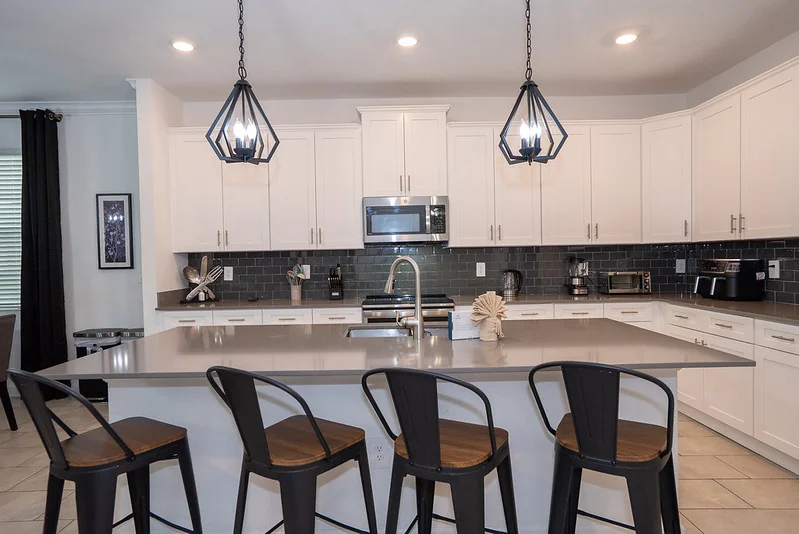
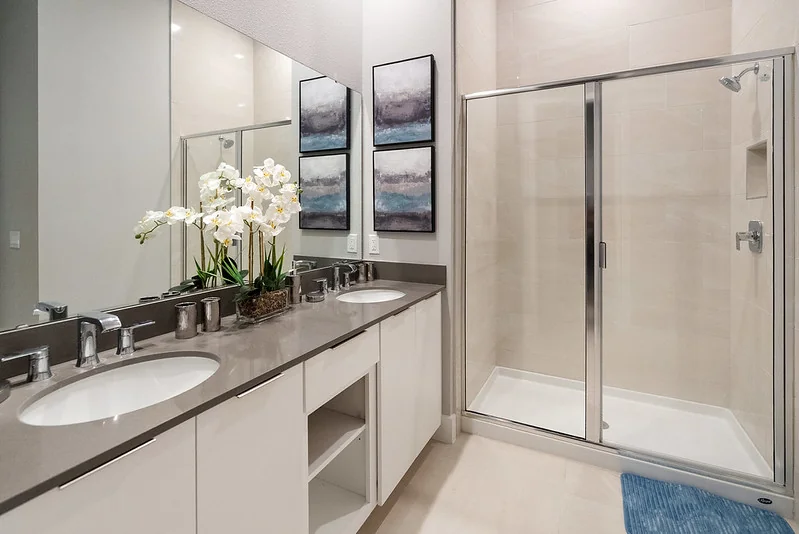
Full furniture packages, STR interior design, themed kids suites, game room conversions, property prep, custom bunks, white-glove install, and listing-ready staging — for vacation rentals and second homes across Orlando, Kissimmee, Davenport, and the full Florida STR market.
Frequently Asked Questions
Which amenity drives the highest return on the investment?
It depends on the market and the target audience. In Disney-corridor markets, custom themed bunks and performance-tier game rooms drive family bookings. In coastal markets, outdoor entertaining and pool-deck staging drive the hero photos. In group-travel mega-rentals, multi-zone gaming and theater rooms drive the decision. The highest performance return comes from the amenity setup that best matches the property’s specific neighborhood comps.
How much of the total furnishing budget should go toward the amenity setup?
At launch-ready package tier, amenities (basic game room, strong outdoor) might represent 15–25% of the budget. At full amenity package tier, the stack (themed bunks, game conversion, expanded outdoor) often represents 30–45% of the budget. At Mega-Rental tier, the multi-zone amenity setup can represent 50%+ of the total furnishing and fabrication budget.
Should I combine theater and game rooms or keep them separate?
For properties with limited dedicated entertainment space, a theater-game-hybrid room is highly efficient and cost-effective. For larger properties (8BR+) with multiple bonus spaces, separating them into a dedicated theater and a dedicated active game room usually photographs better and allows simultaneous use by different guest groups (e.g., adults watching a movie while kids play arcade games).
What is the most under-budgeted amenity?
Outdoor entertaining. Owners often focus heavily on interior themed rooms and game rooms, leaving only enough budget for a basic lanai seating set. In Florida markets, the outdoor space is often the primary gathering zone and the source of the listing’s hero photo. Under-scoping the outdoor layer undermines the entire amenity setup.
Can I add a themed room or game room later?
Yes. Phased installs are a common and effective strategy. Launch with a strong baseline and core outdoor scope to capture booking revenue, then schedule a Phase 2 install (4–12 weeks later) for custom themed bunks or complex game-room conversions. This spreads the capital outlay and allows the amenity design to refine based on early guest feedback.
What should I do first?
Pull three in-community comps with your bedroom count, note bunk, outdoor, and primary suite in the hero photos, then send your floor plan. We match package tier to that comp set before you order furniture.
Can a property have too much amenity for its market?
Yes — a flagship-tier game room and a full theater in a 3-bedroom condo in a value-tier community usually won't recoup the investment, because that guest segment isn't searching for those amenities and won't pay a premium nightly rate for them. Match amenity depth to what your specific neighborhood comps and target guest actually book, not to what would look most impressive in a portfolio.